Island of adventure: Brac, Croatia

We’re almost into a new year, so what better time to start planning for some new trips? While there are some great adventure destinations out there that have proven to be well-worth the journey, there are still some lesser known regions that have a lot to offer. One of these is the Island of Brac in Croatia, a region full of outdoor and adrenaline-pumping activities.

Hike up, or mountain bike down, the tallest peak in the Adriatic Islands

Standing at about 2,553 feet high is Vidova Gora, also known as Vitus Mount. From the top, you will be able to have an unobstructed view of beaches, mountain slopes, and some of the Dalmatia Islands. The trek consists of various terrain; at one point it may be rocky and steep while at other times the trail is low and sandy. The most popular hike on the island is from Vidova Gore to Blaca Hermitage.

It is also popular to mountain bike down the peak, which offers a thrilling way to see the scenery. Moreover, the island of Brac itself has a extensively developed network of white roads and single tracks for mountain biking. The paths have virtually no traffic, and the natural scenery of pine woods, olive fields, and secluded beaches combined with the mix of easy and challenging terrain makes this one picturesque adventure. For guided hikes and bike rides, contact Aldura Sport.Scuba dive underwater caves

Brac is home to some excellent scuba diving, especially because the island receives such little rainfall, making for very clear visibility. One great place is Lucica Cave, located in the biggest cove on the island on Brac’s southeast coast. The entrance to the cave is near the exit of the cove, about 10 feet underwater. Once you enter the aquatic cave, the average depth you will experience is about 58 feet, although at times it goes as deep as 134.5 feet. Once inside, you will be amazed at the expansiveness of the cave, as well as the size of the fish. If you’d like to take a diving course or go with a guide in Brac, some reputable operators include Amber Dive Center and Nautic Center Bol.

Windsurf or Kiteboard in the channel between Brac and Hvar Island

Make your way over to Bol on Brac Island and experience the ideal place for windsurfing. The channel between Brac Island and Hvar Island is well-known for its maestral winds that cause stable weather conditions that are perfect for windsurfing. The winds in this area are also stronger than anywhere else on the island, with mild winds in the morning, perfect for getting your practice in. Kiteboarding, water skiing, wake boarding, and para-sailing are also popular in this area. If you’re interested in windsurfing lessons, contact Aldura Sport. For kiteboarding, contact YellowCat Kiteboarding.

Rock climb in the Lozisca region

In Brac, there are over 100 rock climbing routes of varying intensities for visitors to enjoy. The climbing area in Lozisca, a village located in a simple stone glade, is the perfect place for beginner and intermediate climbers due to its variety of available routes. You can get to the village easily from the nearby areas of Sutivan and Supetar. Climbs in this area give participants great views of the the diverse landscape as rolling hills, green valleys, and shimmering water can be seen all at once. For a map of the routes with their intensity grades, click here. One popular tour company for this climb is Aldura Sport, who will give you 3 hours of climbing as well as a lesson to make sure you are prepared.

Sea kayak in an ideal location

The Island of Brac is a premier location for sea kayaking for people of all levels, mostly because of its predictability in terms of winds and currents. It is also very safe, as no matter where you are a beach is only 10 minutes away by kayak. The island also enjoys many areas with little tourism so the water and land can be enjoyed in a truly natural setting. For a more challenging kayaking adventure, the nearby islands of Hvar and Šolta are just few hours of paddling away.

Try the island’s popular sport of stand up paddle surfing

Stand up paddle surfing (SUP), which is a form of surfing that allows for increased visibility, can be done anywhere on Brac Island. One very natural route is Sutivan-Bobovišća. Begin at Sutivan and go along the northwest shore, paddling along a construction-free area of small pebble beaches with almost no boat traffic. For a longer, more challenging route, go all the way to Bobovišća, a town rich in cultural history.

Channel your inner circus performer and try slacklining

First introduced to Croatia during their annual extreme sports festival (see below), Slacklining has become a favorite adventure sport on Brac Island. Think of it as walking a tightrope, as participants walk on a flat nylon rope that is attached to two points. According to Eti Ljubetic Steka of Aldura Sport, one of the major adventure sports companies of Brac, “We usually do
it during the break of climbing sessions or after them during dinner time. For example, after climbing or biking, we take our groups to an authentic shepherd’s village for a traditional dinner, a lamb meal, and while waiting for the dinner we set up a slackline park in the village among the trees and have some fun.”

Attend the annual extreme sports festival, Vanka Regule, in July

For a week every July in Sutivan on Brac Island, peole flock from all over the world to attend the extreme sports festival, Vanka Regule. Since 1999, free climbing, trail running, sea kayaking, mountain biking, free diving, dry tooling, and more are enjoyed by attendees. Along with doing and watching active sports, there is a film festival to go along with the theme.

Orcas, sea kayaking, and sea planes: a day trip to Washington’s San Juan Island

I woke up early one morning last week and realized that August 15th would mark two years since I arrived in Seattle. Normally I wouldn’t take note of such a thing, given that I tend to move with the frequency of a fugitive. Staying in one place just isn’t in my nature.

But here I was, 24 months into life in Seattle, and of the many things I’d yet to do, I hadn’t: been to the San Juan Islands (blame a longterm illness, an anemic bank account, and overwhelmingly crappy weather, in that order), seen an orca, nor flown on a sea plane despite living two blocks from the Lake Union terminal. As a travel writer, there’s really no excuse.

So I decided to celebrate my anniversary by knocking out all of those goals in one day, with a sea kayaking trip to San Juan Island. There are few things I love more than paddling, but I don’t have my own boat, so it’s tough to make trips happen. That’s where EverGreen Escapes comes in.

Last summer, I did an overnight paddle off of Whidbey Island with Evergreen, and was very impressed by the professionalism and knowledge possessed by my guide. The four-year-old “nature, adventure, and epicurean tour” company has a green ethos not uncommon in Seattle. What sets Evergreen apart from most of the other outfitters I’ve used is a staff who know their stuff and possess great people skills, diverse tours, and an emphasis on quality and comfort. Owners Jake Haupert and Dan Moore are actively involved in every aspect of their business, and it shows.

EverGreen just launched a partnership with Kenmore Air–the “seaplane airline”–this summer. The “Soar & Explore” upgrade allows you to fly one-way or round-trip on various EverGreen trips (see end of story for details). Kenmore has been around since 1946; I’ve enviously watched their little yellow-and-white planes buzz over my apartment hundreds of times, and I was jonesing to fly in one.

%Gallery-130546%I signed up for EverGreen’s full-day “Quest for Orcas, Pigs, and Wine” trip. In no way does that accurately describe the outing (it sounds more like a cross between Dungeons & Dragons and Tolkien), but I admit it begs further investigation.

The name actually refers to San Juan Island’s post-Civil War land dispute between America and England. The so-called “Pig War” began as a result of a farmer shooting a neighbor’s pig that was on his property. Said property became the subject of controversy as to where the U.S./current Canadian border was actually located, and for the next 13 years, American and English troops lived in “Pig War” camps where they primarily got together, drank too much beer, and waited for their respective governments to figure things out. I had hoped this part of the trip referred to sausage, but a little history never hurt anyone.

The “Wine” portion of the trip is a nod to Washington State’s burgeoning boutique wine industry, and the small selection of varietals to be served with lunch. San Juan Island also has its own vineyard and a Tasting Room in the main town of Friday Harbor.

Our day began at the crack of 6:45, when Evergreen’s luxury Mercedes van picked up my eight fellow whale, wine, and pig-lovers at their hotels. Our young guide, Tyler, is a naturalist and native Seattleite; before we’d even left the city limits, I’d learned more about Seattle’s history than I’ve gleaned on my own. An hour and a half later, we arrived at the ferry terminal in Anacortes. The weather was unfortunately behaving as it has for most of the summer: gray and dreary, but we could still catch glimpses of the Olympic Mountains across the Strait of Juan de Fuca.

An hour later, we docked at Friday Harbor. While crowded with visitors, it’s a cute town that manages to remain delightfully free of tackiness. Despite its popularity as a tourist destination, San Juan–at 55 square miles, the second-largest in the 172-island archipelago–is all about enjoying the moment. With a year-round population of just 8,000, the island is mostly rural; uncrowded roads wind past forest, prairie, deserted beaches, and pasture. Agriculture is still a big part of the island’s economy, and you’ll see everything from cattle ranches and alpaca farms to a hops plantation. There’s even a camel named Mona on one property; she’s become emblematic of San Juan’s quirky nature.

Our launch spot was Roche Harbor, a pretty, historic village/resort/ marina on San Juan’s northwest tip built in 1886. San Juan Outfitters provided us with tandem boats and gear, and Tyler gave us a brief tutorial on paddling basics (most of our group were newbies). We embarked on a two-hour paddle around Nelson Bay, encountering curious harbor seals whose heads popped up like corks around our boats. Bald eagles soared overhead, and beneath us, giant Purple Sea Stars and crimson rock crabs hid amongst the eel grass. Tyler stopped us in the midst of a bull kelp bed (encouraging us to snack on it), and talked about the ecosystem it supported.

Our first post-paddling stop was Lime Kiln State Park on San Juan’s west side, ten miles east of Vancouver Island–you can actually see the back side of the city of Victoria. Lime Kiln is the only dedicated, land-based orca viewing spot in the world. Most days, between 3 and 4pm, the local Southern Resident Orca community (also known as the Salish Sea Orcas) pass by, following their main food source, Chinook salmon.

Tyler explained that there are three types of orcas (whether or not they are different species is a subject of scientific debate): offshore, transient, and resident. Orcas, actually a species of toothed whale in the dolphin family, are found worldwide. They’re opportunistic feeders (hence their erroneous name, “killer” whales), meaning they’ll eat a variety of prey species. In addition to salmon, harbor seals and rockfish make up the Southern Resident’s diet; they forage between the San Juan islands and southern Vancouver Island from April to September.

The Southern Resident community is federally listed as an endangered species due to a variety of factors that include a decline in their food supply, toxic exposure to industrial waste and human-related pollution, surface impacts (think boat exhaust, etc.), and low population. Orcas generally travel in pods and are very family-oriented. The Southern Resident community is comprised of three different groups: the J, K, and L pods (the oldest is a 100-year-old female named “Granny”). These pods are subjected to some of the highest boat traffic in the world, which is a good reason to try and view them via kayak. Unlike a whale-watching boat (which must still abide by strict regulations to protect the animals) however, kayaking doesn’t guarantee a show.

Despite arriving at Lime Kiln around 3pm, we’d apparently missed the orcas. No matter–we saw dolphins, and enjoyed the views. Meanwhile, Tyler and intern Maggie set up a beautiful lunch on a picnic bench. Despite the cold (the hot tea Maggie offered was much appreciated), we enjoyed a meal of couscous salad, grilled chicken breasts, and the aforementioned Washington wines. Tyler noted the whale boats heading south, so we decamped to South Beach, where binoculars enabled us to see some orca action far offshore. We took some time to walk the driftwood-strewn beach before departing for Pelindaba Lavender Farm. Despite not getting any up-close views of the orcas, it had been a fun, interesting, relaxing day, and no one seemed put-out that the animals had been a no-show.

Back at Friday Harbor that evening, everyone else went to do some exploring on their own, but I had a sea plane to catch. The terminal is two minute’s walk from the ferry, and I climbed aboard the seven-seater to find my fellow passengers included a boxer wearing a pink, rhinestone-studded harness. The dog lolled across her owner’s laps, evidently a veteran of float plane travel. Unlike me. I was childishly thrilled to be onboard, and within minutes of taking off, I was fantasizing about a second career as a seaplane pilot. The sun had finally emerged, and the water was dazzling. Waterfront cabins sat amidst the lush undergrowth and evergreens, sailboats bobbed in emerald coves.

And then, just as we banked and headed south toward Seattle, I saw them. Two pods of orcas–about 20 in all–leaping and splashing no more than 200 feet below us. I pressed my face against the window in awe, watching them until they were lost in the expanse of blue. Happy anniversary, to me.

Travel tips
Wear layers (including one waterproof), and lots of ’em. The weather is unpredictable and changes rapidly this far north. Although the islands are in the “banana belt,” sea breezes can be chilly.

Bring sunglasses, a hat, and broad spectrum, high SPF sunblock, and use it–frequently.

If you’re paddling, it’s easy to get dehydrated. Drink small sips throughout to keep your bladder from getting full. And don’t forget to eat a small, high protein/complex carb snack to keep your blood sugar up (Evergreen provides snacks and water, FYI).

Kayaking attire should include a swimsuit, board shorts or waterproof pants, watersport shoes or sandals, and a long-sleeved nylon shirt (preferably one made with UPF fabric) or lightweight spray jacket. Your arms, and possibly your butt will get wet (if your boat’s spray skirt isn’t tight enough).

Soar & Explore

Evergreen Escapes offers a wide variety of summer and winter multi-day/activity packages, as well as customized tours for individuals or groups. San Juan excursions are offered year-round, with sea-kayaking April through October.

If you want the ultimate San Juan scenery experience, you can fly up in the morning, or go round-trip: there are terminals at Friday Harbor and Roche Harbor. Another option is to overnight/take two nights at Friday Harbor House, Earthbox Motel, or Island Inn, or add-on another island (including Vancouver Island, BC) or Olympic National Park. Kenmore Air has terminals throughout Puget Sound, the Olympic Peninsula, Vancouver Island, and British Columbia’s Gulf Islands (Canada’s name for their part of the San Juan archipelago). They also offer flightseeing excursions and have four wheeled aircraft in their fleet.

Want to support the Southern Resident Orcas? Click here for details on the Friday Harbor Whale Museum’s Adopt-an-Orca program.


Top ten most crowded islands in the world

From an island microslum in Colombia to a haute enclave in central Paris, the ten most crowded islands in the world bear scant similarities in class or culture. In fact, every entry in the top ten comes from a different country. But being islands, each shares the common thread of scarcity – whether it be land, resources, or housing. In general, these islands are prophetical microcosms for an overcrowded earth – finite spaces where self sufficiency governs and demand pierces supply.

With the world’s population racing higher and higher, and the “megacities club” accepting new members yearly, some day the earth could bear the traits of one of these densely packed islands.

%Gallery-127866%

10. Vasilyevsky Island
Location: St. Petersburg, Russian Federation
Population: 202,650
People per square kilometer: 18,592
Size: 10.9 square kilometers
Story: This island located in St. Pete is a collection of 18th and 19th century buildings with some Soviet built apartment blocks lining the Gulf of Finland on the western shore. The communist housing ethos of the twentieth century called for rows and rows of tight apartments, and this historic island in Russia’s second city was not immune to the sprawl. This created the compact quarters of Vasilyevsky island. Famous for its old school stock exchange and giant Rostral columns, the island is popular with tourists.

9. Lilla Essingen
Location: Stockholm, Sweden
Population: 4,647
People per square kilometer: 20,204
Size: .23 square kilometers
Story: This small island in central Stockholm once served as a hub of industry for Stockholm’s industrial operations. The easy boat access allowed for ease of shipping by boat, and the island factories manufactured an array of goods, from massive lamps for lighthouses to vacuum cleaners. Eventually, as the industrial applications became outmoded, the island became home to several apartment towers. Today, the island is crammed full of smiling Swedes living in apartments with (presumably) tasteful modern furniture.

8. Île Saint-Louis
Location: Paris, France
Population: 2,465
People per square kilometer: 22,409
Size: .11 square kilometers
Story: Perhaps the most stylish island in the world, Île Saint-Louis is a marvel of 17th century urban architecture and planning. Narrow roads and some of the priciest real estate in the world have allowed the island to remain relatively calm, despite its location in central Paris. While Île Saint-Louis is off of the tourist radar for most, this island in the Seine River embodies the classic Parisian spirit, worthy of an afternoon stroll with a perfect sorbet from Berthillon. The island is named for France’s canonized King, Louis IX.

7. Manhattan
Location: New York, New York
Population: 1,585,873
People per square kilometer: 26,879
Size: 59.47 square kilometers
Story: In 1626, the Lenape Indians sold Manhattan island to the Dutch for a bag of axes, hoes, iron kettles, duffel cloths and other 17th century garb worth about $24 (roughly $1000 in modern value). It is safe to day the island has grown ambitiously from this humble transaction. The center of the financial universe is now home to many – truly a place where the world lives. The island once known as New Amsterdam, and briefly, New Orange, shadows America’s story, both tragic and triumphant.

6. Salsette Island
Location: Mumbai, India
Population: 13,175,000
People per square kilometer: 30,217
Size: 436 square kilometers
Story: Salsette, an island off the western coast of India, is home to Mumbai and its sprawling suburbs. As a poster boy for “New India,” Mumbai is as dichotomous as it gets, at once the wealthiest city in south Asia and also home to one of the world’s largest slums – the notorious Dharavi. Dharavi is an island within an island, a super-slum with roughly one million people spread out over an area less than a square mile. At the other end of the spectrum, Salsette Island is also home to extreme wealth. The house known as Antilla is a 400,000 square foot giant that towers with some of Mumbai’s tallest buildings. Truly a contrast from the squalor in Dharavi, the private residence houses six people, can accommodate 168 cars, has 9 elevators, and an ice room with snow flurries.


5. Ebeye Island
Location: Marshall Islands
Population: 15,000
People per square kilometer: 41,667
Size: .36 square kilometers
Story: When the United States decided to test nuclear weapons in the South Pacific, they chose to do so amongst the atolls of the Marshall Islands. U.S. officials uprooted many residents from Bikini Atoll and Enewetak Atoll to insure that the testing did not directly harm human life. The relocated Marshallese had to move somewhere, and most moved to Ebeye under the assistance of the United States. This forced relocation caused a huge mess, including a severe housing shortage and land owner legality issues that persist today. The combination of factors created an environment of hostility and squalor, creating the slum of the South Pacific.


4. Malé
Location: The Maldives
Population: 103,693
People per square kilometer: 53,121
Size: 1.952 square kilometers
Story: The Maldives is one of Asia’s top tourist destinations, with 26 atolls and 1,192 islands offering beach perfection. At its center is the capital city – Male. Male is a humbly sized island of just a couple square miles. It is stuffed full of people, hotels, mosques, and office towers that efficiently utilize the scare land resources. While landfills have reclaimed some land from the sea, most progress is made vertically rather than horizontally. The modern downtown island in the middle of the Indian Ocean is a stark aberration from the deserted islands that dot most of the Maldives.

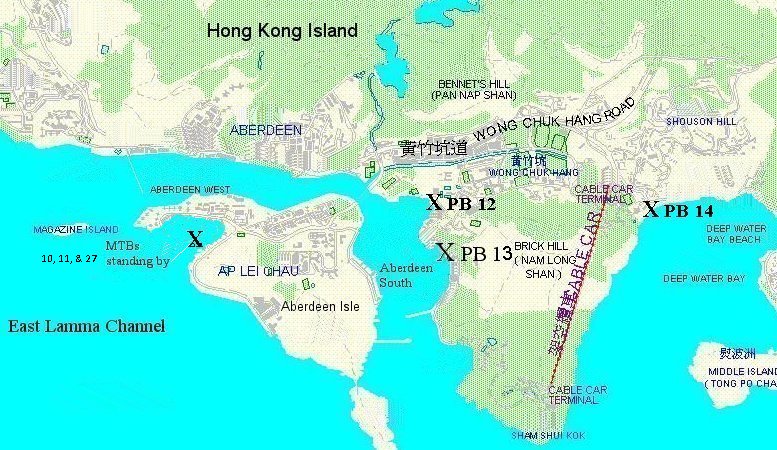
3. Ap Lei Chau
Location: Hong Kong
Population: 86,782
People per square kilometer: 66,755
Size: 1.32 square kilometers
Story: Hong Kong is the land of a thousand towers, clustered most densely on the island of Ap Lei Chau just southwest of Hong Kong Island. Ap Lei Chau served as the settlement for Hong Kong Village, theorized to be the etymological source for the famous larger territory of Hong Kong. Strangely, Ap Lei Chau translates to Duck Tongue Island, said to be named for the island’s shape. It is filled with high rise residences and even a winery.

2. Migingo Island
Location: Kenya, though Uganda disputes this
Population: 400
People per square kilometer: 100,000
Size: .004 square kilometers
Story: This bantomslum in the middle of Lake Victoria is a fishing village perched precariously on half a sphere of rock. The residents take in large hauls of the Nile Perch – a poster boy for River Monsters that can grow to a comedically large size. Migingo is famous for a decades-old dispute between Kenya and Uganda over the sovereignty of the small island. There is even a facebook page where individuals can “like” declaring the island Kenyan. (The page has twice as many followers as there are residents on Migingo.) Uganda agrees with this claim, most of the time, though the tiny rock island is not the issue – the fishing rights are.

1. Santa Cruz del Islote
Location: Colombia
Population: 1,247
People per square kilometer: 124,700
Size: .01 square kilometers
Story: The most densely populated island in the world is a microslum off the coast of Colombia. This tropical island is located in the emerald waters of the idyllic Caribbean, though is packed so tight that most activities are done off island. Schooling, football, graveyards, and work all take place away from Santa Cruz del Islote. The island park is the size of a small tennis court, and fresh water must be shipped in by Colombian Navy ships. Santa Cruz del Islote also does not have electricity. What the island favela does have is people, lots of them. To visit the world’s most packed island, hop on a ferry from Tolu, Colombia. The nearby hotel of Punta Faro can arrange tours of the island.

All unattributed images from wikimedia commons

657 new islands discovered across the globe

A new geographic survey, conducted by researchers from Duke University and Meredith College, located in Raleigh, N.C., has discovered more than 650 new barrier islands, spread out across the globe. The team used a collection of satellite images, navigational charts, and topographical maps, all of which are available to the general public, as part of their research. They counted 2149 barrier islands worldwide, up from 1492, the number found following a similar study conducted back in 2001.

Barrier islands are common around the world, and appear along the coasts of every continent except Antarctica. They usually are made up of deposits of sand and other sediment that collects along the coastlines, running parallel to the shore. They can be quite transitory however, coming and going with the change of tides, which may help explain why more were discovered in this recent survey, although it is also likely that many were simply missed in the previous count.

While more than 74% of all barrier islands are located in the Northern Hemisphere, they tend to serve similar purposes where ever they are found. These islands often serve as a protective barrier for shorelines against storms and high tide erosion. They are also quite often a safe haven for wildlife as well.

The study did find a few surprising results. Generally it was believed that barrier islands could only exist in a setting with seasonal tides that did not exceed 13 feet in height. But a chain of 54 islands was discovered stretching along the coast of Brazil in an area where the seasonal tides are often in excess of 23 feet. Scientists say that those islands can exist in that environment thanks to the vast amounts of sand and silt delivered to the region by the Amazon River.

The 657 new islands will obviously be welcomed with open arms by beach combers the world over. I’m sure there are already a number of resort chains that have begun scoping out this prime real estate as well. Maybe we should all launch Google Earth and start looking for a private island of our own. After all, there has to be at least a few more that are still waiting to be found.

Photo of the day – Maldives arrival

When I was a kid, the Maldives were the stuff of dreams. A colleague of my father’s gave me a hardback Maldives-themed calendar one year for Christmas, with glossy photos of atolls peeking out of perfect blue seas in between calendar pages. The sand was so white and the palm trees were so green. Could any tropical islands be more beautiful than these?

Years later the low-lying Maldives began cropping up in stories about climate change. Rising sea levels may well make the Maldives uninhabitable by the end of this century. In the meantime, tourism is an enormously important to the Maldivian economy; according the CIA World Fact Book, tourism is responsible for almost thirty percent of the country’s GDP.

Frightening climate change projections notwithstanding, what more magical way is there to encounter a tropical dreamland than from a plane about to land? This image, snapped by Flickr contributor Mystrimus, captures the ineluctable anticipation that accompanies most arrivals on picture-perfect tropical islands.

Got a pre-landing photo to share? Upload it to Flickr’s Gadling Group Pool. If we like it we might just select it as a future Photo of the Day.