Belize it or not: The World Soymilk Development Index

Greetings from Belize!

Something just dawned on me today while walking through “downtown” San Pedro, Belize: you can judge the “development” of an area by whether or not it has soymilk readily available in grocery stores. Sure, I’m waiting for a flurry of criticism on this post, but hear my logic first.

I’m not lactose intolerant, but a lot of my friends are. Seems like everyday, I hear about someone, or their child, being unable to drink milk.

The generally accepted idea is that early Europeans developed enzymes to digest cows milk, which helped get them through tough northern winters. Much of the world doesn’t have this ability. Why? They don’t drink cows milk. Babies drink mother’s milk, and there it ends most everywhere.

In the West, you see milk everywhere there’s refrigeration. And most people drink at least some. But now, it seems, more and more Westerners are developing allergies, and developing intolerance to milk. So, they switch to soymilk…if they can afford it.

And where did it all start? Probably China, where soy has been widely used for many centuries…but not generally as a soymilk drink. From what I can find, the first soymilk factory was founded in Paris around the turn of the last century by someone of Chinese origin, and some production followed in the U.S. and elsewhere. It took off in Hong Kong too, where it beat out Coke for a while.

But the big production of soymilk didn’t come until the 1990s, and it seemed to start only in the most affluent, urban areas. (A ten-fold increase occurred in the 1980s and 1990s.) Where did I see it first? San Francisco, then Seattle and Portland, then Manhattan. It followed in most other cities in the U.S., from what I can tell. (You want to test me? Ask for it in every Starbucks outside major metro areas.)

Hence my “soymilk development index”: where you have Westerners with the most money to burn and increasingly discerning tastes, you’ll find soymilk.

Can you find it on Ambergris Caye (the most touristed area in Belize)? You bet, two brands.
Belize it or not: The shark petting zoo

Hello from Belize! What a beautiful little country this is.

I have wanted to come here forever, being a diver and all. As you probably know, the Belize Barrier Reef (stretching from Yucatan all the way to the coast of Guatemala) is the second largest reef in the world, after the Great Barrier Reef.

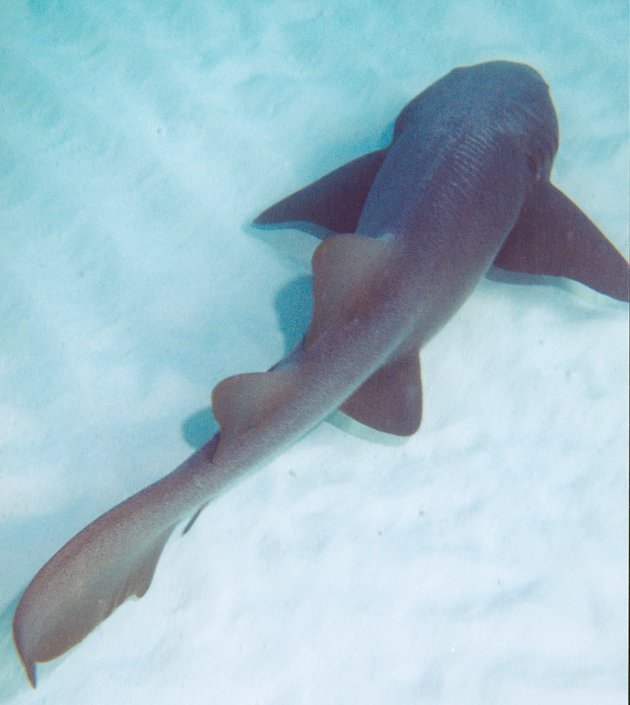
We took our first dive trip today, right off the Ambergris Caye island. It was just a shallow dive with a bunch of snorkelers who desperately wanted to “see some sharks.” This part of the reef is know for its abundance of nurse sharks, pretty harmless types of sharks who eat by suction (hence the name). Still, they are sharks, aka beautiful creatures.

The dive instructor threw in some bait (an enormous fish head) and a few minutes later, a bunch of sharks (I saw five, the largest at least two meters long) and sting rays (the largest was over a meter across) came by for the feast. It was an incredible sight.

I don’t know how I feel about the whole “petting the shark and sting ray” aspect of the whole thing. The instructors caught a couple of the sharks by the fin and let everyone in the group touch them. Same with the sting rays. I felt a little bad for them. I can’t be good for them to have a hundred people a day touch them, right?

Belize’s coral reef is threatened

Belize has been on my “places to dive” list for years. At the same time, I get anxious every time I think about diving in Belize. Years ago, I knew somebody who died while diving the Blue Hole, the infamous collapsed limestone cave more than 400 feet deep. She was an experiences diver, but panicked. Ever since then, the Blue Hole has sounded a little scary to me.

After reading this USA Today article, it sounds like I should get over myself and finally go there soon because Belize’s coral reef is vanishing quickly. A potent mix of coastal development, tourism, overfishing, pollution and climate change has apparently damaged an estimated 40% of the Belize reef system, a UNESCO World Heritage Site and the Western Hemisphere’s largest barrier reef, that attracts more than a third of Belize’s 850,000 annual visitors. Ouch.

One for the Road: Moon Belize

Moon has released updated editions of several Central American titles this fall. We’ve mentioned their Guatemala and Costa Rica handbooks already, and will highlight another new release today:

Joshua Berman’s Moon Belize has been nominated for Planeta’s Book of the Year award for “best place-based guidebook.” Moon has a special web-only Q & A with Josh, who has spent ten years touring and leading trips around Central America. And we’ve got some insider info from the knowledgeable author as well. Today, November 19, holds special significance for the people of Belize. In his own words, Joshua Berman tells us why:

Settlement Day – the annual reenactment of the Garinagu people’s 1823 arrival on Belizean shores – is one of the rowdiest, raging-est parties of the year in Belize. At least it is in Garinagu (also known as Garifuna) communities up and down the coast.


The biggest party, most bands, and longest drumming binges are found in Dangriga. Smaller-scale celebrations occur in Belize City, Hopkins, and Seine Bight. Festivities start on the night of the 18th, climaxing at dawn when palm be-fronded wooden dories are rowed to shore. Crowds greet the boats’ arrival with drums, dance, and alcohol and then everybody parades through town to a Church, a house party, or to the taco cart by Stann Creek Bridge.


You’ll have a difficult time finding lodging in Dangriga during the week preceding and after Settlement Day, since so many expat Garinagus from Chicago and New York book their holiday a year in advance. But you may get lucky, and if you can convive all night with the locals (as they will be doing several nights in a row), you won’t need a room anyway.

It someone hands you a shot of clear, strong-smelling liquor, it’s probably “bitters,” also called gífit. This cherished nectar of the Gods is good for what ails you: from cancer to romance. As one of Dangriga’s most famous homebrewers, Big Mac said to me from behind his counter, “It’s good for your penis, mon!”