Forget Times Square, Go Jazz at Lincoln Center

For all the time I spend in NYC, last night was the very first time I’ve seen Jazz at Lincoln Center, at it’s “new” $128M home, the Time Warner building, at Columbus Circle.

The center moved here in 2004 from its digs a little further north, and, let me tell you, it is a terrific venue for music. Definitely worth the trip for tourists visiting Times Square for a show.

The mid-sized Allen Room is an intimate venue (less than 500 seats) where the audience faces a four-story wall of glass that gives you a 6th floor view out into the city, overlooking Central Park. It’s one of the most amazing backdrops for a concert you’ll ever see. Last night, the city lights lit up a bank of fog sitting up near the tops of the buildings. The reflected lights of the cars on Central Park South looked like raindrops cascading down the glass. And the big CNN neon sign cast red light down onto the stage. Wow.

And, and insider tip: get yourself a seat in row C, which puts you eye-level with the musicians. And sit back and enjoy.
Dollar: the not-so-universal travel currency

If the dollar continues its downward spiral this year, it may be necessary for people to switch from dollars to euros for their travel cash.

According to this NY Times article yesterday, many countries are no longer willing to take dollars instead of their currency as a way to get into museums, and pay for hotels and restaurants. While many countries in Latin America still happily accept the dollar because they currencies are either pegged to the dollar or it is the dollar, an increasing number of countries in Asia and Africa, for example, prefer the euro over the dollar.

The Taj Mahal, for example, no longer accepts dollars for the entrance fee. Tourists used to be able to pay $15 to get in. Now, they are required to only pay in rupees (750), which is actually $19. You would think they would just increase the entrance fee in dollars, but maybe they actually really don’t want dollars.

Chicago’s thoughtful guide for folks who have disabilities

Over this past year, each time I’ve gone to the Columbus Zoo, I’ve looked at the hopefully temporary location of handicapped parking and thought, “This is not very handicapped friendly.” It’s too far from the main gate. By the time a person hoofs it to the main gate, it’s been a hike already. The main gate, to be fair, is going to be located elsewhere once the water park is finished, and the details for connecting the zoo to the new water park are completed. I’m assuming the gate will once more be closer to the parking lot. In the meantime, there’s a bit of a long walk. Possibly, the walk seems long because before the renovations started, handicapped parking was right at the gate.

For anyone who has a disability, or who travels with people who have disabilities–where accessibility to attractions is a concern, Chicago has developed a guide to help folks find the easy places to visit. “Easy Access Chicago” highlights all those spots that are handicapped accessible and provides details about visiting those places.

As people get older, but still have a desire to get out and enjoy travel, this type of guide is a great idea. I hope other cities follow suit if they haven’t already. It seems this guide would be useful for folks packing a stroller as well. You can download the guide at http://easyaccesschicago.org/ or call 1-800-226-6632 to order one. The guide is free.

Will fingerprinting replace need for a passport?

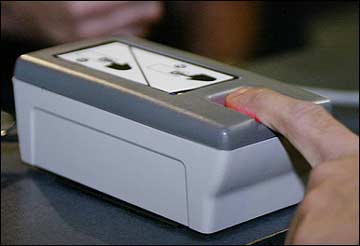
Scandinavian airline SAS has introduced finger-print check-in on a domestic flight from Stockholm to Gotenburg in Sweden. Its purpose at the moment is to make sure that the person who checks-in luggage is the same as the person boarding the flight, a sure advantage for airport /on-flight security.

On a domestic level, this makes sense as check-in procedures are relatively lax when traveling within the country, and even within the EU for that matter; but they plan to eventually make it an international check-in system.

Fingerprinting at airports is not new. The US introduced it a while ago as an added security check for visitors to the country; the UK has a similar system, but not restricted to visitors; and Dubai has had a retina scan system for a while now. This makes it impossible for people to travel with fraudulent documents.

Dubai went beyond finger-printing for security purposes when they introduced the eGate card — a check-in option for Dubai-based frequent travelers who don’t want to stand in line to get their passport stamped. If you have this card, you swipe it to enter/exit the airport, match your finger-print on a screen and you are through.

So the question is: will we eventually be able to travel without any printed form of identification? If you are finger-printing and retina-scanning anyway, other than to have a stamp, what do we need passports for?

Wear Red Day: Heart disease awareness for women

February 1 is National Wear Red Day to heighten the awareness about heart disease in women. After all, it’s their number one killer. The Go Red for Women movement is aiming to help women change their lifestyle habits in order to live better and longer. For people who love to travel, keeping a heart healthy will ensure that globe trotting days last. What works for women also works for men, so men take note.

By wearing red, people are acting as reminders to folks to pay attention to their hearts and the hearts of their loved ones. Of course wearing red won’t prevent heart disease. Eating the right foods and exercising helps–so does not smoking. The Go Red For Women Web site holds loads of information about heart disease prevention and heart care, including a heart check up, so you can see how well your ticker is ticking. If you have experience with heart disease, either your own or someone you love, you can share your story with a video. The how to do a video instructions are listed. After it’s completed, post it at the Web site.

Perhaps you are reading this on February 1 and you’re already out and about– or at work and are not wearing red. You’re decked out in some other color. Here is a red heart to cut out. Run off this page and get a pair of scissors so that you can cut carefully along the outline. Tape the heart to your shirt with tape or pin it on with a straight or safety pin.