Bolivia’s “Highway of Death” kills US mountain biker

A thrilling ride down the “Camino de la Muerte,” or “Death Road,” has become a popular adventure destination in Bolivia. I, personally, get nauseous just looking at the photo.

A 56-year old U.S. tourist, Kenneth Mitchell, was killed here in mountain-biking accident after tumbling from his rented bicycle and falling down a 200-foot cliff. Mitchell is the 12th cyclist to die on the road in the last decade.

The highway east from La Paz, the world’s highest capital city, winds dramatically down the face of the Andes, dropping 11,800 feet in just 40 miles. According to IHT, the narrow dirt track earned its nickname for the frequency with which Bolivian buses would plunge off its 3,300-foot cliffs, killing hundreds a year until a new paved highway opened 2007.

The cause of the accident is unknown. Mitchell’s bike, left behind at the cliff’s edge, was in perfect working order. Strange.
One for the Road: Our Dumb World – Onion’s Atlas

I just finished listening to some short clips from the audio book version of the Onion’s new atlas of planet earth, aptly titled Our Dumb World. After a short introduction, it begins: “Here are audio clips from some of the countries that matter – France: One nation above God.” It goes on to share important facts about France that you really ought to know. For example, that the leading cause of death is turtle neck asphyxiation. It doesn’t get any nicer. While rattling off the facts about Bolivia, the narrator stops to blow a line of cocaine.

In true Onion style, the book prides itself on offering up incorrect statistics on all of the Earth’s independent nations. (They’re just not sure how many there are.) And they guarantee that once you finish listening to the audio book or reading the hardcover, you will, of course, be the smartest person in your dorm room, carpool or cell block. This is anything but your average atlas.

National Geographic Film Festival

The All Roads Film Project is one of those very special, very wonderful National Geographic events which any traveler worth their salt will truly love.

The project was launched four years ago “to provide an international platform for indigenous and underrepresented minority-culture artists to share their cultures, stories, and perspectives through the power of film and photography.”

Man, you can’t go wrong with that mission statement.

And, National Geographic hasn’t.

The spectacular results of the project can be seen this upcoming weekend (October 4-7) at the All Roads Film Festival being held at the National Geographic headquarters in Washington D.C.

The festival will feature films from Finland, Bolivia, Kurdistan, Denmark, Australia, Ethiopia, India, Mexico, Tonga and many more places on this planet you might only be able to visit through film. But, if you miss it in D.C., don’t worry; you can catch the festival next month in Sante Fe, New Mexico starting November 28.

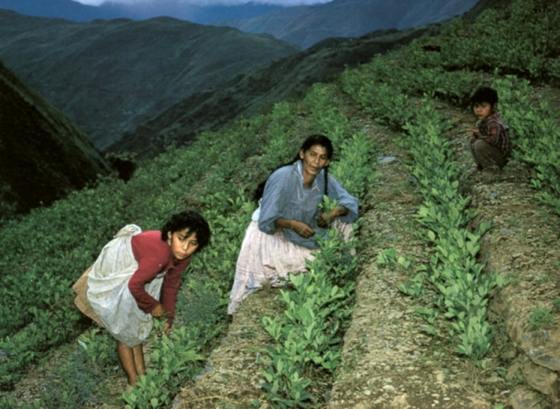
Good Bye, Cocaine. Hello Coca!

Bolivia, the world’s third largest cocaine producer, has escaped US drug sanctions because it met the counter-narcotics commitment of eradicating at least 5,000 hectares (12,360 acres) of coca crop. According to Reuters, cocaine seizures were up 17 percent to 11 tonnes in Bolivia from October 2006 to May 2007, while coca leaf seizures increased by 48 percent. However, this could paradoxically be the result of higher production of cocaine.

Last year, the US imposed a “zero cocaine, but not zero coca” policy, allowing coca growers to develop a market for legal coca products. Bolivians believe that coca leaves are healthy. They have chewed them for centuries as a mild stimulant that reduces hunger pangs and altitude sickness.

Seems to me that Bolivians will have a hard time importing legal coca leaves to the US arguing that Americans need to cure their hunger pangs. Hunger is quite possibly the last thing Americans need cured.

However, I was surprised to find that you can buy coca tea in the US on ebay.com. I was even more surprised to find that they mix coca leaves with, of all things, chamomile. “Sleepy time, brought to you by coca.” It is a strange, conflicted world we live in, folks.

Drivers Beware: The Most Dangerous Roads in the World

Living near the Rocky Mountains, I thought I had some experience with dangerous roads. The ones I frequent twist and in turn around, over and under the huge, jagged mountains, through avalanche plains, with only a guardrail protecting your car from plummeting off a cliff’s edge. It wasn’t until I started travelling that I realized that the most dangerous road that I’ve encountered in Canada would be considered a smooth, luxurious ride in other countries.

So if our roads aren’t dangerous, where are the dangerous ones? I did a bit of research and here are the most dangerous roads in the world according to USA Today (click here for the full list):

  1. Bolivia’s The Old Yungus Road, from La Paz to Coroico
  2. Brazil’s Interstate 116
  3. China’s Sichuan-Tibet Highway
  4. Costa Rica’s Pan-American Highway
  5. Croatia’s coastal roads (any of ’em)

Judging by this article on the Old Yungus Road, I think I’ll pass on taking a trip on it anytime soon.